A Step-by-Step Guide on How to Become a Clinical Lab Technician
July 13, 2026
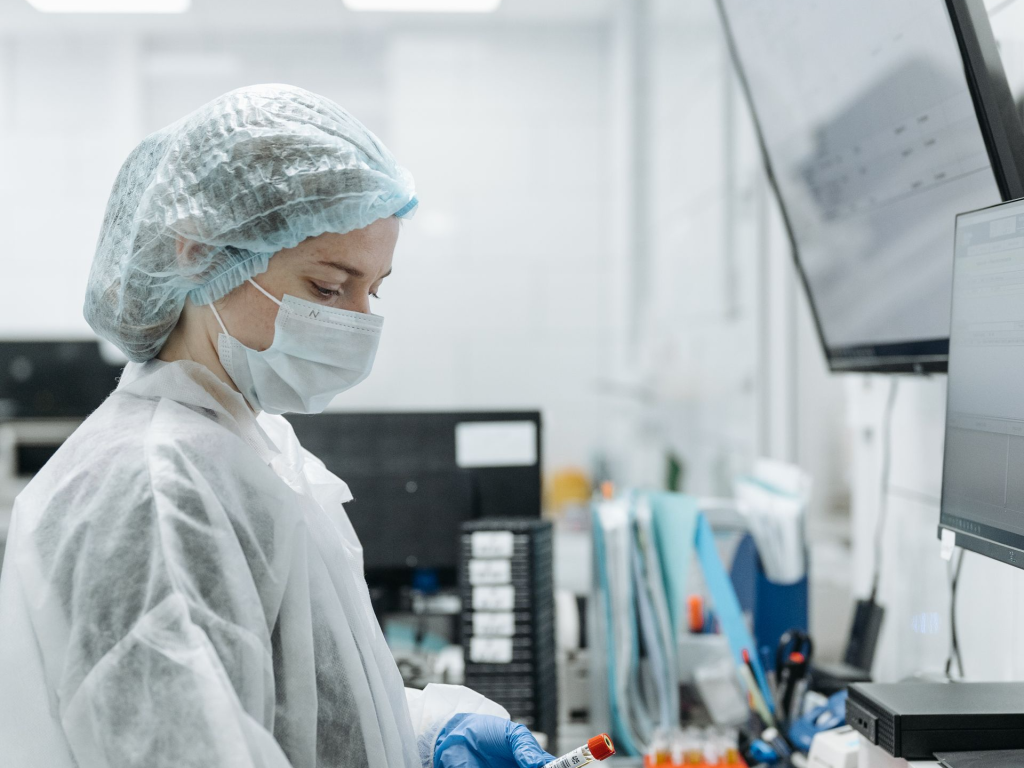
Many individuals find themselves drawn to the world of healthcare with a desire and passion to help others. A clinical lab technician can be the perfect junction point between many different studies, without requiring you to have face-to-face time each day with patients. Additionally, this role is in high demand throughout the world, so if learning how to become a clinical lab technician is something that interests you, read on to discover insights from our step-by-step guide.
Hard Skills
• Computers and IT
• Fine Motor
• Mathematics
• Mechanical
• Specimen Processing
• Quality Control
• Lab Info Systems
Soft Skills
• Adaptability
• Critical Thinking
• Detail Oriented
• Interpersonal
• Public Speaking
• Creativity
• Problem Solving
• Innovation
What Does a Clinical Lab Technician Do?
Clinical lab technicians run diagnostics on patient samples such as blood, urine, tissue, and more. Lab techs are behind-the-scenes professionals in the medical world, and doctors and other medical professionals rely on the information gleaned from lab testing to diagnose and treat patients. Clinical lab technicians gather, process, and complete tests, and some of their common responsibilities include:
- Collecting and prepping patient samples
- Running samples through various medical equipment (microscopes, centrifuges, spectrophotometers, automated analyzers)
- Ensuring compatibility of blood samples
- Alerting nurses and doctors to critical test results
The majority of these tasks fall into one of these specialties: blood bank, chemistry, hematology, immunology, or microbiology.
Become a Clinical Lab Technician in 4 Steps
- Step 1: Get your degree – Clinical lab roles require either an associate degree or a bachelor’s degree
- Step 2: Complete your rotations – Pennsylvania Institute of Technology’s built-in clinical program gives students hands-on experiences to prepare them for their careers
- Step 3: Obtain your certifications – You can achieve the Medical Laboratory Technician (MLT) credentials through the American Society for Clinical Pathology Board of Certification pathway
- Step 4: Check licensing requirements – Each state has different rules when it comes to licenses, so be sure to look thoroughly before planning the location you will practice in
Keep in mind that the pathway to becoming a clinical laboratory professional has a branch in it that is determined by the amount of schooling you prefer. Let’s dive deeper into your options.
Clinical Lab Technician vs. Clinical Lab Technologist
Technicians and technologists can seem very similar, especially when you are mapping out your career path, but there are some differences. Both work in the medical field and spend their time in hospitals or diagnostic labs doing precise analytical work. The major difference reveals itself in the different degree requirements and specialty level.
| Clinical Lab Technician (MLT) | Clinical Lab Technologist / Scientist (MLS) | |
|---|---|---|
| Education | Associate degree | Bachelor’s degree |
| Scope of Work | Automated testing, recording and reporting of results | Manual testing, result interpretation |
| Supervision | Works under supervision of a technologist | Works independently or supervises technicians |
| Path Up | Earn a bachelor’s degree in health science or medical laboratory science |
Technicians can often get their degree, complete their clinical rotations, and obtain credentials quickly (within 18–24 months), leading to a quick entrance into the workforce. Technologists/scientists can take a bit longer to complete their education and certifications, but the trade-off can result in more specialty options and often a higher salary.
Whether you’re ready to start working right away, or you would rather spend time advancing your education, there are many great options available to you.
How Much Does a Clinical Lab Technician Make?
The U.S. Bureau of Labor Statistics lists the median salary for clinical lab technicians in the United States as $61,890 yearly, or $29.75 hourly. Most of these professionals work in one of these settings:
- Hospitals
- Medical and diagnostic laboratories
- Physician’s offices
How P.I.T. Can Help You Succeed as a Clinical Lab Technician
Are you a current clinical lab technician ready to step up to the role of a technologist? Are you a new graduate looking to fast-track your career straight into the role of a clinical lab technologist? P.I.T. offers a well-rounded and rigorous undergraduate degree program for you.
The Health Science bachelor’s degree prepares students for the multifaceted medical field. You’ll gain valuable experience with early clinical visibility, options for flexible class times (evening and online scheduling), and lifelong job-placement support from your alma mater.