How to Become an EEG Technician
June 24, 2026
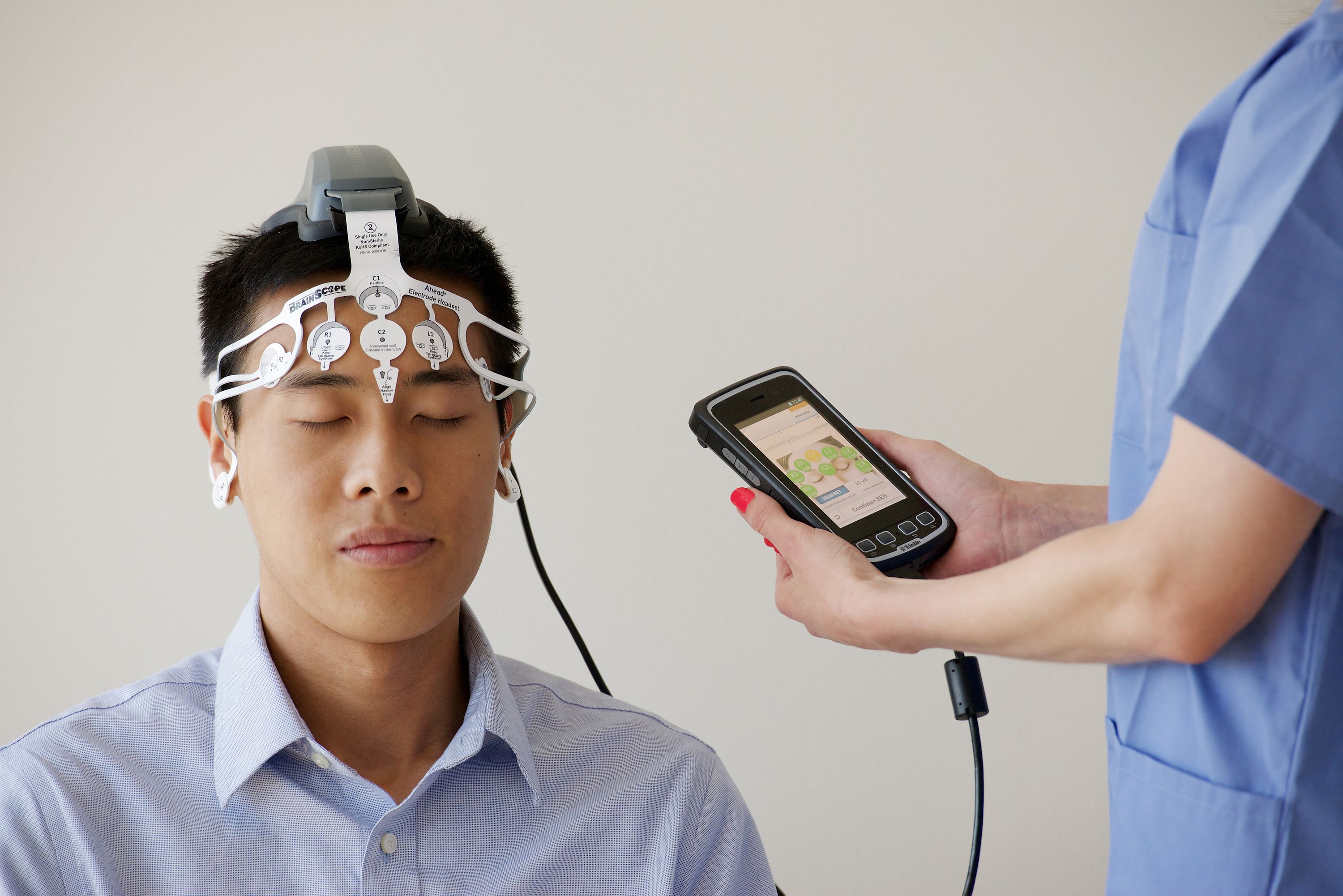
The human brain produces electrical signals every single moment of the day, and EEG technicians are the professionals trained to capture and record them. If you are drawn to healthcare and want to work directly with patients in a hands-on career that does not require years of schooling, learning how to become an EEG technician is a strong place to begin. Demand for skilled technologists is rising, the work is steady, and the path into the field is shorter than many students typically expect.
-
You can become an EEG technician in about a year. The path involves completing a neurodiagnostic technology program, building supervised clinical experience, and passing the national ABRET credentialing exam. P.I.T.’s Neurodiagnostic Technology Certificate is built to prepare you for each step.
What Does an EEG Technician Do?
An EEG technician operates electroencephalograph equipment that records the brain’s electrical activity. Working under the direction of neurologists and other physicians, the technician places electrodes on a patient’s scalp, monitors the recording, and flags anything that may help with a diagnosis. These tests help doctors identify and manage conditions such as epilepsy, stroke, sleep disorders, brain tumors, and head injuries.
You will also see the role described as an EEG technologist. The two titles are often used interchangeably, though the title technologist usually points to a credentialed professional who handles more advanced testing. The job blends technical work with patient care. Common responsibilities include:
- Patient prep – Explaining the procedure to put patients at ease
- Electrode placement – Applying electrodes accurately and operating the recording equipment
- Live monitoring – Watching for and documenting irregular brain activity during a test
- Recordkeeping – Maintaining equipment and keeping careful patient records
EEG technicians work in hospitals, neurology practices, sleep labs, and outpatient clinics. Experienced technologists often assist in operating rooms and intensive care units, where monitoring the nervous system during surgery is routine.
How to Become an EEG Technician
The route into this career is clear, and most students move into a working role in about a year. Training opportunities to become an EEG technician have expanded as the field grows, and an accredited program is the most reliable starting point. Here is what the path looks like.
Start with the Basics
You will need a high school diploma or equivalent before applying to a training program. Coursework in biology, anatomy, or general science gives you a helpful foundation, and a genuine interest in patient care matters just as much.
Complete a Neurodiagnostic Technology Program
A focused training program sits at the center of how to become an EEG technologist. A quality Neurodiagnostic Technology Certificate works as a complete EEG technologist training program, pairing classroom instruction in neuroanatomy, instrumentation, and pattern recognition with supervised clinical rotations. A program like this teaches you to perform neurodiagnostic technology procedures, including EEG testing along with introductory work in evoked potentials, nerve conduction studies, and intraoperative monitoring.
Build Hands-On Clinical Experience
Classroom learning only takes you so far in a field this practical. Clinical rotations let you record real EEGs under supervision, work with patients, and grow comfortable operating the equipment.
-
Most credentialing pathways require documentation of a set number of completed EEGs, so this experience counts twice – once toward your skills and once toward your eligibility to test.
Earn Your EEG Credential
Certification is what sets a registered technologist apart. After finishing an approved program, graduates are eligible to sit for the R. EEG T. exam administered by the American Board of Registration of Electroencephalographic and Evoked Potential Technologists (ABRET). The four-hour exam covers neuroanatomy, instrumentation, pattern recognition, and patient care. Earning the credential tells employers you have properly educated yourself and are now ready to work.
What Do You Need for an EEG Technician Job?
Beyond the credential and clinical hours, employers look for a particular mix of strengths. Students often ask, what do I need for an EEG technician job? The honest answer is a blend of formal training and personal qualities. Start by building these:
- Technical comfort level – Ability to work with sensitive medical equipment
- Attention to detail – Strong observation skills during every recording
- Communication – Patience and clarity, especially with anxious or unwell patients
- Flexibility – Comfort with shift work, since testing happens around the clock in hospital settings
A steady, reassuring presence matters as much as technical skill. Patients are often nervous about a brain test, and a calm technician makes the experience easier for everyone in the room.
EEG Technician Salary and Job Outlook
The outlook for this career is encouraging for a few reasons: An aging population and the wider use of EEG testing are driving steady demand, and many employers report a shortage of trained technologists. Pay reflects that demand:
| Role / Scenario | Typical Pay |
|---|---|
| EEG technician (average) | ~$56,000 / year |
| Credentialed neurodiagnostic technologist (average) | ~$63,000 / year |
| Typical salary range | High $40,000s – low $70,000s |
| Experienced, advanced settings | $100,000+ |
The salary range is typically between the high $40,000s and the low $70,000s. Experienced technologists in advanced settings can earn upwards of $100,000.
How P.I.T. Prepares You to Become an EEG Technician
At P.I.T., the Neurodiagnostic Technology Certificate gives you a direct route into this growing field. Here is what the program includes:
- 12-month program pairing classroom lectures with hands-on clinical rotations
- On-campus and online options to fit a range of schedules
- Hospital-grade training on the same equipment used in hospitals and labs
- A full scope of practice, incorporating EEG testing plus evoked potentials, nerve conduction studies, and intraoperative monitoring
- ABRET exam eligibility for the national credential upon graduation
Plus, the program carries a respected history. P.I.T. acquired it from the long-running Crozer-Chester Medical Center program, which graduated more than 300 technologists over 50 years.
Admission is open to students with a high school diploma and a few college-level prerequisites in math and medical science. Throughout the program, P.I.T.’s support services help you stay on track, with tutoring, advising, and job placement assistance along the way.
Start Your Path to an EEG Technician Career
A rewarding healthcare career could be about a year away. If you are ready to learn how to become an EEG technician, P.I.T. is here to help you take the first step.